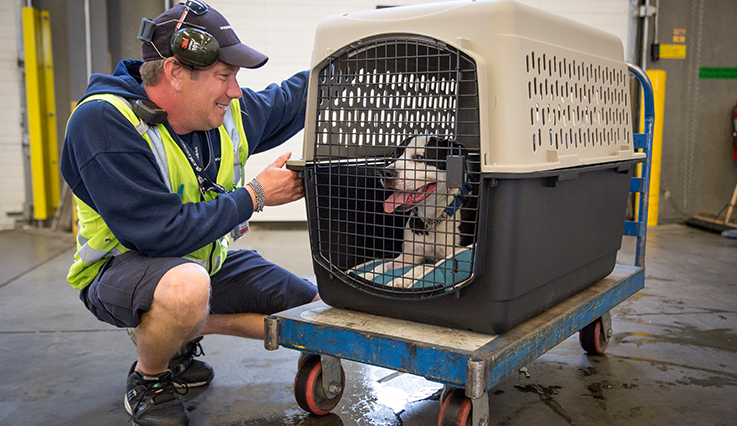
- Plan Ahead:
- Research pet-friendly accommodations and transportation options at your destination.
- Ensure your pet’s vaccinations and any necessary documentation are up to date.
- Make a checklist of essential items such as food, water, medication, leash, collar, tags, bedding, and toys.
- Visit the Vet:
- Schedule a visit to the veterinarian before your trip to ensure your pet is in good health and fit for travel.
- Discuss any concerns you may have with your vet and obtain any required medications or sedatives for the journey.
- ID Tags and Microchipping:
- Update your pet’s identification tags with your current contact information.
- Consider getting your pet microchipped or ensuring their existing microchip information is accurate. This can be a lifesaver if your pet gets lost during travel.
- Comfortable Carrier or Restraint:
- If traveling by car, secure your pet in a comfortable and well-ventilated carrier or a pet restraint system. This ensures their safety and prevents distractions while driving.
- Familiarize your pet with the carrier or restraint before the trip to reduce anxiety.
- Travel-Friendly Essentials:
- Pack enough food, treats, and fresh water to last the duration of the trip.
- Carry any necessary medications, including flea and tick prevention products.
- Bring familiar bedding and toys to provide a sense of comfort and familiarity.
- Regular Breaks and Exercise:
- During road trips, plan regular stops to allow your pet to stretch their legs, relieve themselves, and have some exercise.
- Keep your pet on a leash during breaks to ensure their safety and prevent them from getting lost.
- Consider Your Pet’s Needs:
- Consider your pet’s temperament, anxiety levels, and any specific needs they may have during travel.
- Some pets may require extra reassurance, calming aids, or familiar scents to help them relax.
- Research Pet-Friendly Attractions and Services:
- Look for pet-friendly parks, restaurants, and attractions at your destination to ensure you can include your pet in your activities.
- Research local veterinarians or emergency pet clinics in case of any unexpected situations.
- Air Travel Considerations:
- If flying with your pet, check the airline’s pet policies, including crate requirements, fees, and any health documentation needed.
- Opt for direct flights whenever possible to minimize stress and the risk of mishandling during layovers.
- Be Prepared for Emergencies:
- Carry a pet first-aid kit that includes essentials like bandages, antiseptic wipes, and any necessary medications.
- Have contact information for emergency veterinary services at your destination.
Remember, each pet is unique, so adapt these best practices to your specific pet’s needs. By planning ahead, prioritizing your pet’s comfort and safety, and being mindful of their well-being, you can make traveling together a positive experience for both you and your furry friend.
 Cutebarkingcat