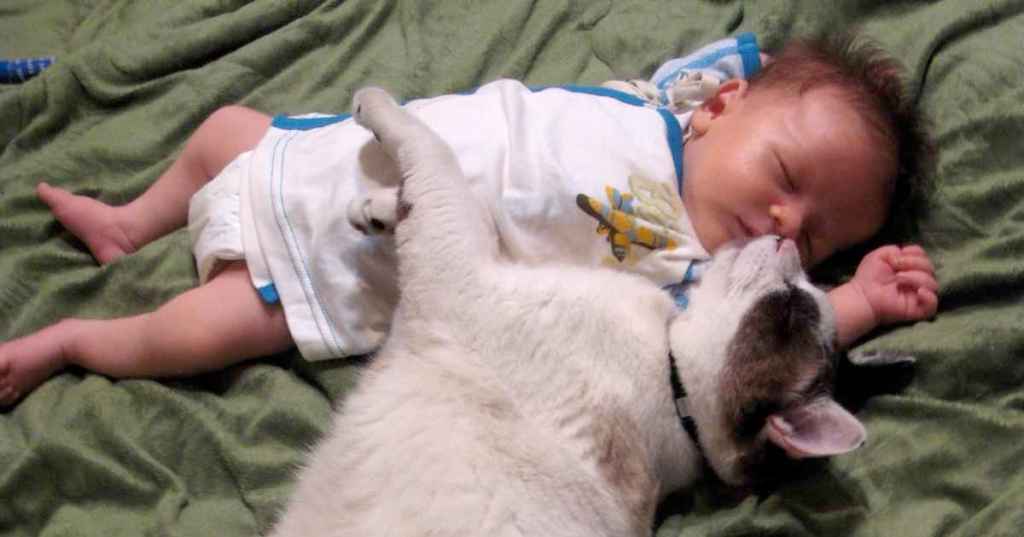
Leaving cats with newborn infants can be a concern for many new parents. Introducing a newborn baby to a household with cats requires careful consideration and preparation to ensure the safety and well-being of both the baby and the pets. Cats are curious creatures and may react in different ways to the presence of a new family member.
Here are some important tips and guidelines to keep in mind when dealing with cats and newborn infants:
- Gradual Introduction: Before the baby arrives, gradually introduce the cat to the baby’s scent by bringing home items that carry the baby’s scent, such as blankets or clothes. Allow the cat to investigate and become familiar with the new scent in a controlled and supervised manner.
- Prepare the Cat: Make sure your cat is up-to-date on vaccinations and has regular check-ups with the veterinarian. This helps ensure that the cat is in good health and reduces the risk of any potential health concerns for the baby.
- Safe Spaces: Create designated safe spaces for the cat where it can retreat and relax away from the baby. Cats need their own space, and providing them with places to retreat can reduce stress and anxiety.
- Supervised Interaction: Always supervise any interaction between the cat and the newborn. Cats can be unpredictable, and while most are gentle and curious around babies, accidents can happen. Keep a close eye on their interactions and be ready to intervene if necessary.
- Set Boundaries: Establish boundaries for the cat, particularly around the baby’s sleeping area and changing station. Cats should not be allowed to sleep in the baby’s crib, and the baby’s sleeping area should be off-limits to the cat when unsupervised.
- Baby’s Safety: Keep the baby’s crib covered with a net or mesh when not in use to prevent the cat from jumping in or accidentally injuring the baby.
- Nail Trimming: Regularly trim your cat’s nails to minimize the risk of scratching.
- Positive Reinforcement: Reward the cat for calm and appropriate behavior around the baby. Positive reinforcement can help the cat associate the baby with positive experiences.
- Be Patient: Cats may take time to adjust to the new family dynamics. Be patient and understanding during this transition period.
- Seek Professional Advice: If you have any concerns or issues with your cat’s behavior around the baby, seek advice from a veterinarian or an animal behaviorist who can provide guidance specific to your situation.
Remember, each cat is unique, and their reactions to a new baby will vary. Some cats may be more accepting and curious, while others may take longer to adjust. With proper preparation, supervision, and patience, it is possible for cats and newborns to coexist safely and harmoniously in the same household.
 Cutebarkingcat