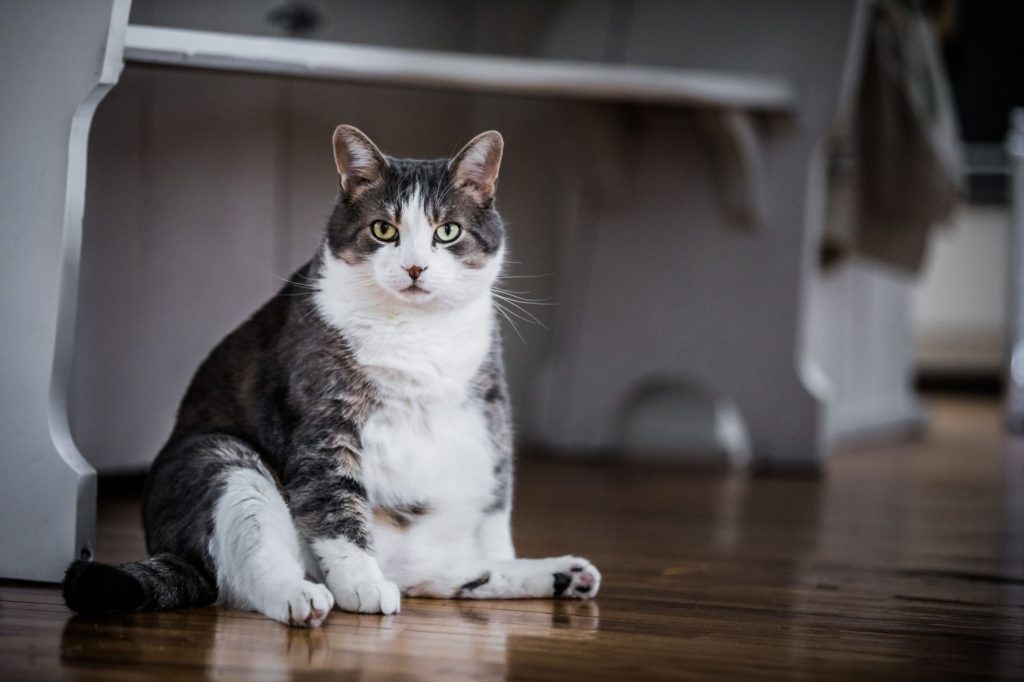
Obesity is a common health concern for cats and can lead to various health issues, including diabetes, arthritis, and heart problems. As a responsible cat owner, it’s essential to be aware of warning signs that your cat might be suffering from obesity. Here are some indicators to watch out for:
- Weight Gain: One of the most obvious signs of obesity is rapid and significant weight gain. If you notice your cat becoming noticeably heavier over time, it may be a red flag.
- Difficulty Grooming: Cats are usually excellent self-groomers. However, an obese cat may have difficulty reaching certain areas of their body to groom properly. You might notice matted fur, dandruff, or a lack of grooming altogether.
- Lack of Energy: Obese cats often become lethargic and less active. They might be less inclined to play or engage in physical activities they once enjoyed.
- Tiring Easily: If your cat seems to tire quickly during playtime or even when walking short distances, it could be a sign of excess weight putting strain on their body.
- Breathing Problems: Obesity can lead to respiratory issues in cats. If your cat is panting or breathing heavily after minimal exertion, it’s a cause for concern.
- Unwillingness to Jump or Climb: Obese cats may be hesitant to jump onto elevated surfaces, such as furniture or window sills, which they could easily manage when they were at a healthier weight.
- Visible Fat Pads: You should be able to feel your cat’s ribs without pressing too hard. If you can’t feel them due to a layer of fat, your cat might be overweight.
- Round, Distended Belly: An overweight cat may develop a sagging, rounded belly that hangs low.
- Changes in Eating Habits: Keep an eye on your cat’s eating patterns. While some cats may overeat, others might exhibit strange behaviors like frequent begging or scavenging for food.
- Weight-Related Health Issues: Obesity can contribute to or exacerbate other health problems, such as diabetes, joint pain, and skin conditions.
If you suspect your cat might be suffering from obesity, it’s crucial to consult with a veterinarian. A vet can perform a thorough examination, assess your cat’s weight, and provide guidance on proper nutrition and an appropriate exercise plan.
Remember, maintaining a healthy weight is vital for your cat’s overall well-being and longevity. Preventing obesity through a balanced diet and regular exercise is much easier than addressing the health issues it can cause later on.
 Cutebarkingcat