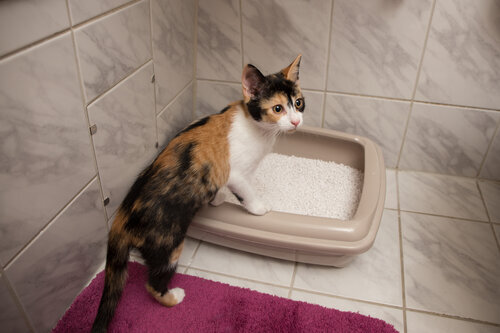
Choosing the right kitty litter is essential for both the comfort and well-being of your feline friend and the overall cleanliness of your home environment. While it might seem like a simple decision, there are several important factors to consider when selecting the best litter for your cat.
- Cat Comfort and Preference: Cats are creatures of habit, and they can be quite particular about their litter preferences. Some cats prefer certain textures, while others might have sensitivities to scents or additives in the litter. Choosing a litter that aligns with your cat’s preferences can reduce stress and encourage proper litter box usage.
- Odor Control: One of the main concerns for cat owners is managing litter box odors. The right kitty litter should effectively absorb and neutralize odors to keep your home smelling fresh. Litters with activated charcoal, baking soda, or natural odor-absorbing materials can be particularly effective in controlling unpleasant smells.
- Clumping Ability: Clumping litter forms solid clumps when it comes into contact with moisture, making it easier to scoop out soiled litter and maintain a clean litter box. This not only simplifies the cleaning process but also helps extend the life of the litter by removing only the soiled parts.
- Dust and Tracking: Dusty litters can be irritating for both cats and humans, potentially leading to respiratory issues. Additionally, litter that easily tracks outside the box can create a mess throughout your home. Low-dust and tracking-resistant litters can alleviate these issues.
- Environmental Impact: Many traditional litters are made from non-renewable clay resources that have a significant environmental impact due to mining and limited biodegradability. Opting for eco-friendly alternatives such as biodegradable, recycled, or natural materials can help reduce your carbon footprint.
- Health Considerations: Some cats have sensitivities or allergies to certain types of litter. For example, kittens might ingest litter while grooming themselves, so a non-clumping litter might be safer for them. Cats with urinary tract issues might benefit from specialized litters that help monitor their health.
- Ease of Maintenance: Litter that is easy to clean, scoop, and replace can save you time and effort. Heavy litters or those that require frequent complete changes might be less convenient for daily maintenance.
- Multi-Cat Household: If you have multiple cats, the litter you choose should accommodate the increased usage and potential territorial dynamics. Additionally, it should still meet the needs of any cats with specific preferences.
- Cost-Effectiveness: While it’s important to consider quality, choosing an affordable litter that meets your cat’s needs can help you manage costs over the long term.
- Trial and Error: Keep in mind that finding the right litter might require some trial and error. Cats’ preferences can vary, so be prepared to experiment with a few options to determine which one works best for your feline companion.
In conclusion, the choice of kitty litter goes beyond mere convenience. It directly impacts your cat’s comfort, health, and the cleanliness of your home. Taking the time to research and select the right litter can create a more pleasant living environment for both you and your furry friend.
 Cutebarkingcat